
.avif)

Join My Community
Join 10,000+ entrepreneurs receiving proven strategies and the best opportunities delivered straight to their inbox.

Happy Tuesday!
One of the questions I get almost every day is:
“If you only work a few hours a day, what are you actually doing during that time?”
Today I’m going to answer it, starting with my morning, and the habits that keep me informed without pulling me into the weeds.


Zach bought a $1.15M steel fabrication company in LA for just $115K out of pocket—and he's on track for a 200% ROI in year one while still working his W2 job.
“Definitely would not have been possible without Acquisition Ace. The structure, the process, the banking relationships, the coaching, the community, knowing who to go to for QOE, legal, having Telegram available at any time. It was invaluable.”
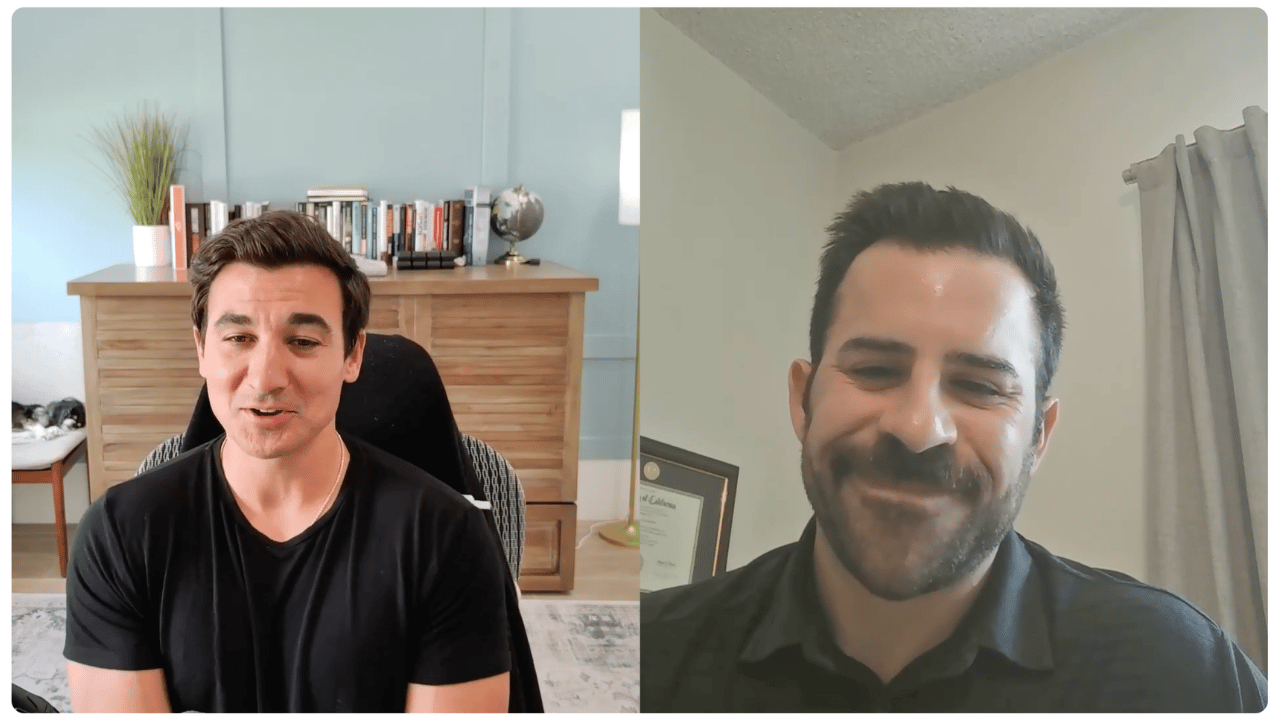
He beat out over a dozen other offers by reading the room, building rapport with the sellers, and offering a clean all-cash structure they wanted.
👉 Want the resources and community support you need to close your first deal? Book a call with our team here.
Checking in without getting pulled in
The first thing I do each morning is check performance across my businesses.
I have dashboards set up that show me the prior day’s numbers - revenue, key metrics, anything that tells me at a glance whether things are trending in the right direction.
This takes maybe 15-20 minutes total across all of them.
Then I go through email.
Most of it I’m CC’d on for visibility because I want to stay aware of what’s happening without being in every conversation.
When something requires my direct input, I handle it.
Everything else gets managed by the people I’ve put in place to manage it.
I’m not answering customer inquiries or handling operational problems.
My general managers own those things, so I can focus on knowing what’s happening without having to fix every problem that shows up.
What I deliberately don’t do
Take customer calls
Get involved in employee disputes unless they escalate past the GM
Handle day-to-day vendor relationships
Do operational work of any kind
That boundary is about protecting the time and mental bandwidth required to actually think clearly about the businesses I own and where they’re going.
When you let operational tasks bleed into your day, they expand to fill all of it.
The only way to prevent that is to be intentional upfront about deal structure, management, and what you’re personally responsible for versus what your team handles.
(Inside Acquisition Ace, members learn how to structure deals from the start so they’re building this kind of ownership model, not accidentally buying themselves a full-time job. To see how our community could help you close your first acquisition, book a call with our team here.)
Why this is possible
Every business I’ve acquired was evaluated specifically for whether it had the management infrastructure to run without me being present every day.
If it didn’t, that was either a dealbreaker or something I factored into the price and transition plan.
The morning routine I just described only works because the operational decisions don’t need to come to me.
They get handled at the team level, and the rare ones that require owner input come to me clearly flagged, with context, so I can make a decision quickly and move on.
Tomorrow, I’ll share how I spend the rest of the day, including the strategic work that actually moves the portfolio forward.
If you’d like to start building toward this kind of ownership structure, that’s exactly what the Acquisition Ace community helps people do.
To see if it’s a good fit…
 | Onward, Ben Kelly PS: Check out our latest YouTube video. We reveal how one entrepreneur built a multi-million dollar pool company from scratch with no industry experience. |


