
.avif)

Join My Community
Join 10,000+ entrepreneurs receiving proven strategies and the best opportunities delivered straight to their inbox.


Happy Tuesday!
If you’re evaluating any business that depends on physical equipment to operate, think:
Vehicles
Machinery
Specialized tools
Or industrial systems
There’s a due diligence step that doesn’t get nearly enough attention.
And skipping it can cost you six figures.
Community Spotlight
Adam bought 50% of a $2M residential mortgage brokerage and AI software company with one of the most creative structures I’ve seen:
75% seller-financed on a 10-year full standby note.
He put $200K down, immediately started collecting $5K/month in guaranteed payments (replacing his W2 salary), and now owns half of a business expanding from 8 states to all 50 states with new banking partnerships.
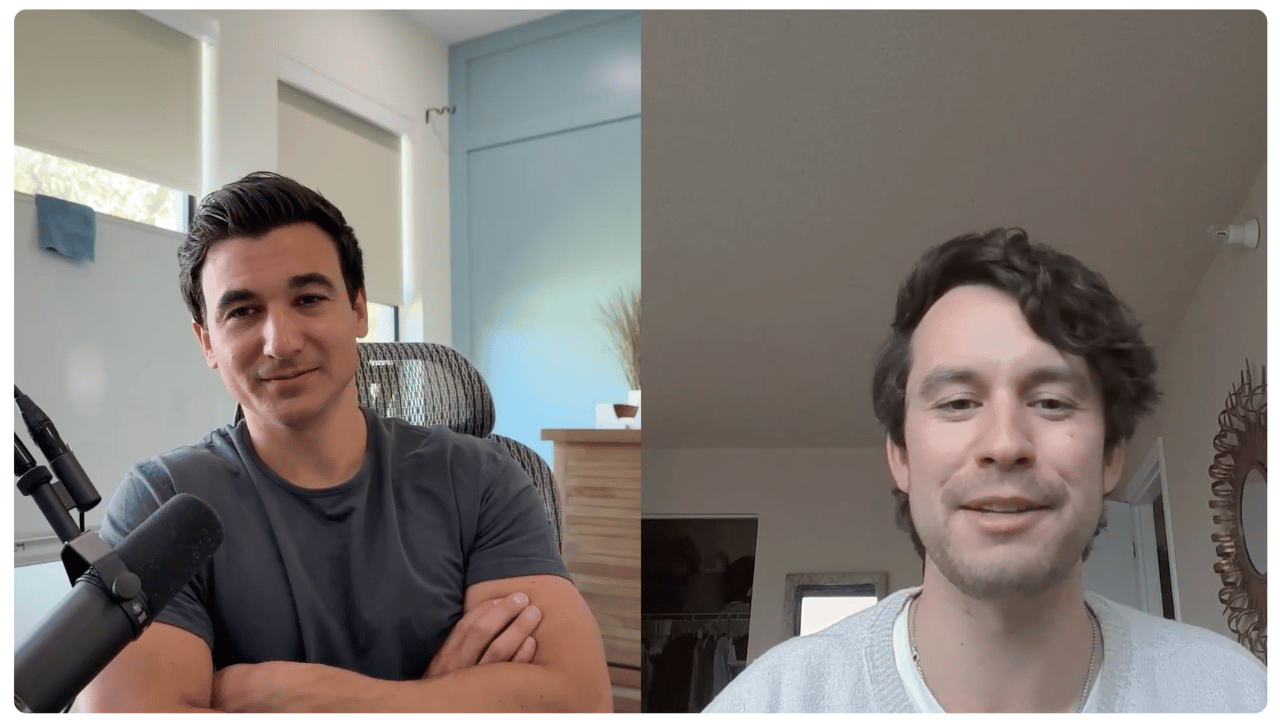
The seller wasn’t motivated by money, he just wanted a strategic partner…
And Adam won him over by offering to handle backend operations so the seller could focus on growth.
👉 Want to learn creative deal structures that protect your downside? Book a call with our team here.
What is deferred maintenance?
Deferred maintenance is a business owner who has been putting off repairs, servicing, or replacements on equipment that the business depends on.
This isn’t always malicious.
Sometimes owners genuinely don’t realize how close something is to the end of its useful life.
But other times, it’s a calculated decision - skipping maintenance keeps costs down, which makes profit margins look better, which supports a higher asking price.
Either way, the result for a new owner is the same:
An unexpected capital expense that shows up months after closing, when you’re already stretched thin getting operations stabilized.
Why this doesn’t show up in the financials
If maintenance has been deferred, it won’t appear as an expense on the P&L, because the money was never spent.
The books look clean, the margins look healthy, and nothing in the financial statements tells you that the equipment holding the business together is running on borrowed time.
(Inside Acquisition Ace, members learn how to identify these risks before closing. To learn more about joining our community and how it could help you close your first deal, book a call with our team here to see if it's a good fit.)
What to do about it
The most reliable protection is a third-party equipment appraisal conducted before you close.
Bring in an independent specialist who can assess the physical condition of every major piece of equipment.
Not just its book value, but where it actually sits in its lifecycle.
How much useful life does it have left? What would it cost to repair or replace if it failed in the next 12 to 24 months?
Once you have that information, you can build a realistic picture of what the business is actually going to cost to own.
The broader principle
This applies to any business where the core operations depend on physical assets:
Waste management
Transportation
Manufacturing
Food service
Cleaning operations
And plenty of others
The equipment is the business - if it fails, everything else fails with it.
That makes understanding its true condition one of the most important things you can do during due diligence.
If you’d like to learn how to run due diligence like this alongside people who’ve already done it, the Acquisition Ace community is a great place to get that support, with 2,000+ members learning to navigate business evaluations, negotiations, and acquisitions.
👉 Book a call with my team here and let’s talk to see if it's a good fit.
 | Onward, Ben Kelly PS: Check out our latest YouTube video. We reveal how one entrepreneur built a multi-million dollar pool company from scratch with no industry experience. |


