


Join My Community
Join 10,000+ entrepreneurs receiving proven strategies and the best opportunities delivered straight to their inbox.

Happy Wednesday!
Yesterday I covered why distressed business deals look so attractive, and what the pitch typically leaves out about what executing a turnaround requires.
Today we're getting practical about how to evaluate one honestly before you go any further.


Garrett bought a $1.7M accounting firm and is now making $264K/year in profit.
“You taught me how to get the financials, how to read financials, have a general idea as far as the direction of the company, and if all that makes sense then setting up the phone call with the seller.”
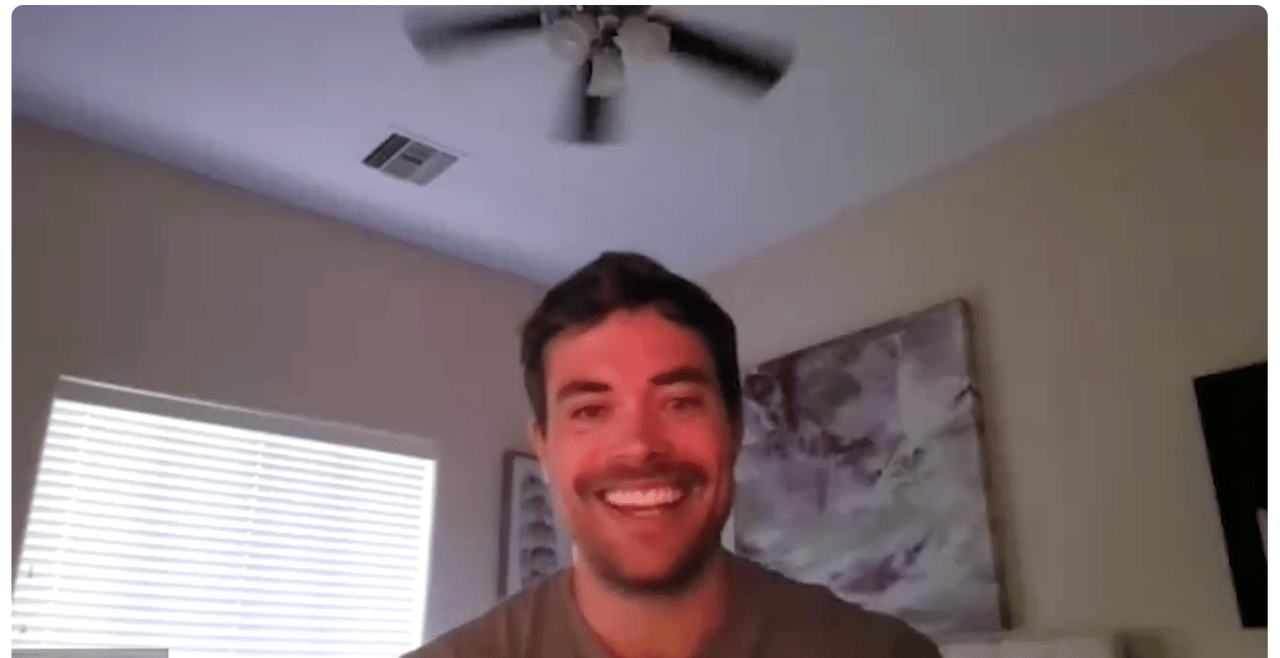
He went from not knowing how to evaluate deals to confidently closing on a million-dollar business.
👉 Want to learn how to read financials and evaluate deals like a pro? Book a call with our team here.
Start with the most important question: why is this business struggling?
There’s a meaningful difference between a business with fixable operational problems and one facing something more fundamental.
Fixable problems look like outdated systems, no marketing, weak management, or a seller who checked out years ago and let things slide.
These create real opportunity for a buyer who comes in with energy, structure, and a clear plan.
The business has the underlying bones, it just needs someone to actually run it well.
Fundamental problems look like a shrinking market, broken unit economics that don’t work at any price point, or a location or model issue that no amount of better operations can solve.
These are traps that look like opportunities.
The discount on the purchase price rarely compensates for what you’ll spend trying to fix something that fundamentally can’t be fixed.
Being brutally honest about which category a business falls into is the entire game when evaluating a distressed deal.
Next: do you have the skills and the team to fix what’s broken?
Turnarounds require specific operational experience.
If you don’t have it personally, you need it around you in the form of advisors, operators, and industry experts who’ve been through something similar.
And… you need them before you make an offer.
Building that team on the fly while the business is declining is a very difficult position to be in.
(Inside Acquisition Ace, members get access to coaches and experienced operators who can help evaluate whether a specific distressed opportunity is worth pursuing. If that's something you'd find valuable and are interested in getting access to yourself, book a call with our team here.)
Last: do you have the capital to see it through?
Turnarounds almost always take longer and cost more than the initial plan…
And running out of money halfway through is significantly worse than not starting.
When your reserves are thin, this strategy carries more risk than the discounted purchase price reflects.
If you can answer all three of those questions clearly and honestly, you have the foundation of a real evaluation.
If any of them are unclear, that’s usually your answer.
Tomorrow, I’ll share my honest take on who this strategy can work for, and why most first-time buyers are better served by a different approach.
If you’d like help thinking through what kind of acquisition fits where you are right now, the Acquisition Ace community is a great place to work through that.
To see if it’s a good fit…
 |  Ben Kelly · Founder, Acquisition Ace |


