
.avif)

Join My Community
Join 10,000+ entrepreneurs receiving proven strategies and the best opportunities delivered straight to their inbox.

Happy Tuesday!
Once you’ve found a business worth pursuing, the next step is putting an offer on paper.
That offer comes in the form of a Letter of Intent - the document that lays out the key terms of your proposed deal before anyone spends real time or money on due diligence.
It’s not a binding purchase agreement, but it sets the tone for everything that follows.
Get it right, and you move into due diligence from a position of clarity.
Get it wrong… and you’ll be renegotiating things that should have been settled at the start.
Here’s what the first half of every LOI needs to include.


Mark bought a $4.56M traffic signal maintenance company for just $15K out of pocket, with no electrical background.
“I almost feel like I’m the poster child for all the stuff that we preach and we’ve learned throughout our time with Acquisition Ace… the coaches are always there… the community aspect of everything is really just invaluable… the community itself is always really supportive.”
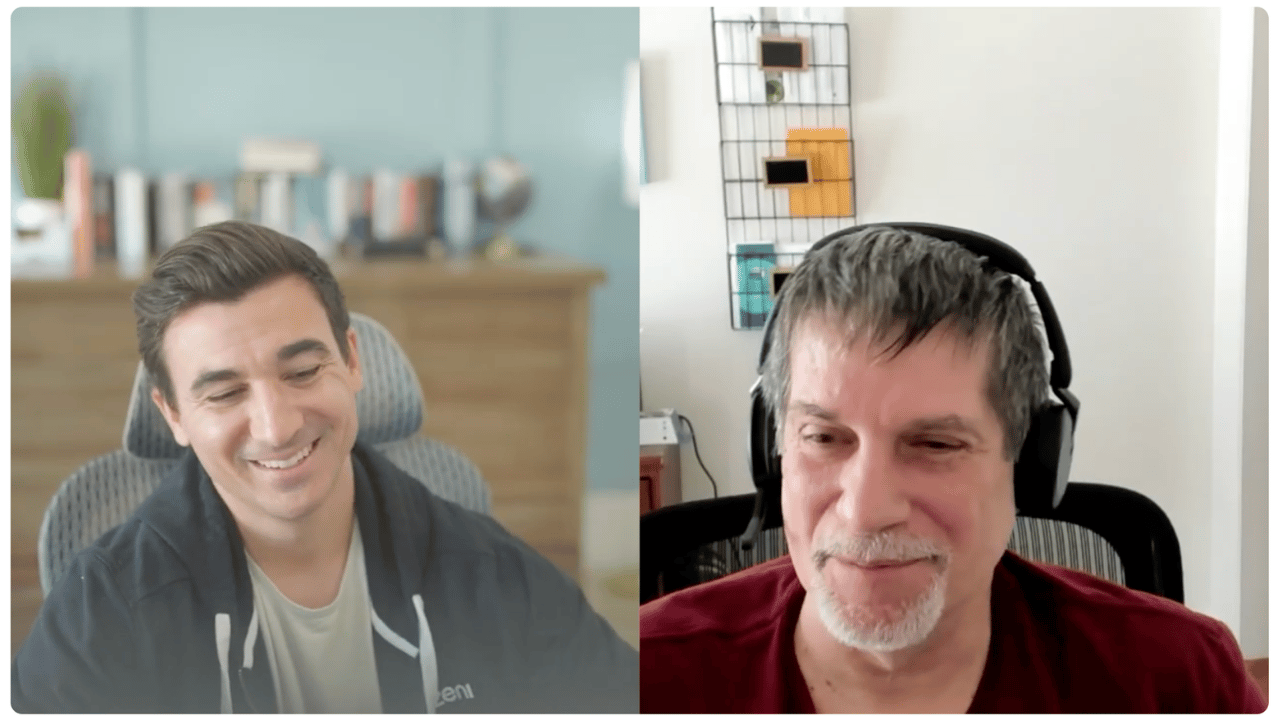
He calls himself the “poster child” for what Acquisition Ace teaches, and credits coaches and community for making it possible.
👉 Want coaching and community support to buy a business outside your background? Book a call with our team here.
Purchase price and deal structure
This is the core of the document.
You need to state what you’re offering to pay and how you’re proposing to pay it.
On the offer price itself: starting 15-20% below asking on a standard deal gives you room to negotiate without immediately burning goodwill.
Most initial offers don’t get accepted as written, and that’s expected.
The point is to open a conversation from a position that leaves you somewhere to move.
Be specific about the structure.
A vague offer creates ambiguity that has to be resolved later - often under more pressure, when you have less leverage.
Exclusivity
An exclusivity clause prevents the seller from continuing to shop the business to other buyers while you’re doing due diligence.
Without it, you can spend weeks reviewing financials and meeting with the team - only to find out the seller used your LOI to leverage a better offer from someone else.
Exclusivity is the price of entry for doing serious diligence, and any seller who won’t agree to it is telling you something worth paying attention to.
(In Acquisition Ace, members get access to vetted LOI structures built specifically for small business acquisitions, so they’re not starting entirely from scratch. To learn more about the resources and dealmaking tools you can access in our community, book a call with our team here.)
Why getting these right is so important
A well-structured LOI signals that you’re a serious, prepared buyer.
Sellers and brokers have seen plenty of people kick tires and disappear.
An LOI that clearly defines the price, the structure, and the exclusivity terms tells them you know what you’re doing, and that this is worth their time.
It also creates a written record of what both parties agreed to before the process got complicated.
Tomorrow, I’ll cover the remaining elements that need to be documented before due diligence begins.
If you’d like more guidance on how to structure offers, the Acquisition Ace community can help.
👉 Book a call with my team here to see how Acquisition Ace can help with your first acquisition.
 | Onward, Ben Kelly PS: Check out our latest YouTube video. We reveal how one entrepreneur built a multi-million dollar pool company from scratch with no industry experience. |
This is the tool I use to find deals: SMBMarket.com


