
.avif)

Join My Community
Join 10,000+ entrepreneurs receiving proven strategies and the best opportunities delivered straight to their inbox.

Hey, it’s Ben!
Over the last few days I’ve covered the margin check, the dealbreaker scan, and the quick valuation math I run on every business in the early stages of evaluation.
Today I want to cover the final piece: the three fundamental characteristics I verify before deciding a business is worth pursuing.


Andrew bought a $700K nail salon in LA with his wife after joining Acquisition Ace, and found his investor through the AA investor database.
“It’s so true. It’s the community. Frankly, it’s like graduate school. It’s about the people you meet... everything good in my life has been through word of mouth... having met Darwin and meeting so many more people as more deals come up. It’s the community. 100%.”
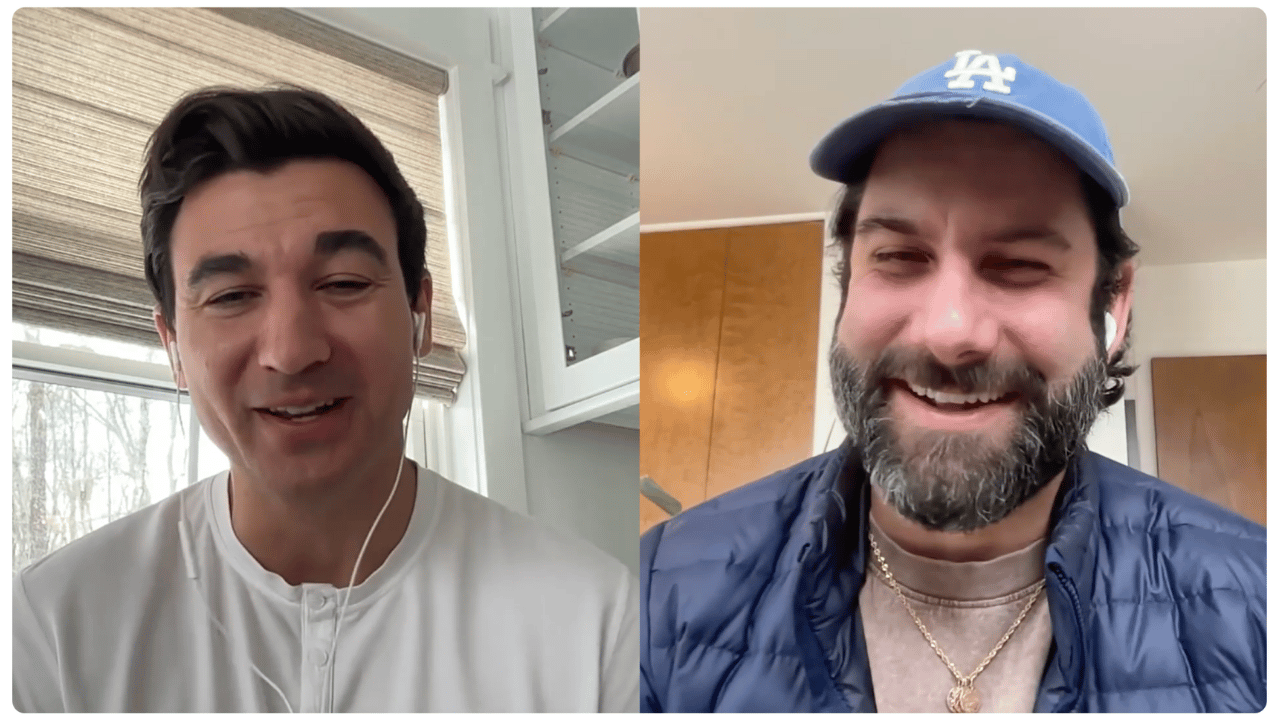
After finding an investor in the Acquisition Ace database and putting just $40K out of pocket, he’s on track for a 300%+ return in year one.
👉 Want a community where you can find investors, build relationships, and close deals? Book a call with our team here.
Recurring revenue
The first thing I check is whether customers come back, and how often.
A business where customers return multiple times a year is fundamentally different from one that depends on landing new clients for every dollar of revenue.
Recurring revenue creates predictability, and helps you model cash flow with reasonable confidence, plan for growth, and service debt without depending on a constant influx of new business.
When I’m evaluating a business, I want to see that customers have a reason to keep coming back, whether that’s a service contract, a regular maintenance schedule, a subscription, or a consumable product they reorder consistently.
Recession resistance
The second characteristic is whether the business serves a genuine need that people pay for regardless of what’s happening in the economy.
This is what separates businesses that hold up in downturns from businesses that collapse the moment consumer spending tightens.
Essential services tend to weather economic cycles with minimal disruption, while discretionary spending businesses are significantly more exposed.
When I evaluate recession resistance, I ask a simple question: if household budgets got cut significantly tomorrow, would people still pay for this? If the honest answer is yes, that’s a great sign.
(In Acquisition Ace, members learn how to evaluate these characteristics before making an offer. To see how our community can help you with your first acquisition, book a call with our team here.)
Barrier to entry
The third characteristic is whether the business has something that makes it difficult for a new competitor to come in and take customers away.
This can take many different forms:
Licensing and credentialing requirements that take years to obtain.
Significant capital investment in equipment or infrastructure.
Established relationships with customers or suppliers built over decades.
A location that’s difficult to replicate.
Any of these create friction for potential competitors, and that friction protects your position in the market.
Without some form of competitive protection, you’re always one motivated new entrant away from a pricing war.
Businesses with strong barriers to entry can hold their pricing and their customers even when competition increases.
How to use these three checks
A business missing two or more of these characteristics is one I typically move on from, because the structural risks compound in ways that make sustainable ownership significantly harder.
Together, these three checks and the others I’ve covered form a screening process that takes about 30 minutes and tells you whether a business is worth 30 to 60 days of serious due diligence.
If you’d like to apply a structured process like this to your own deal search, the Acquisition Ace community is where thousands of members are building exactly that, one deal at a time.
👉 Book a call with my team here and let’s talk to see if it’s right for you.
 | Onward, Ben Kelly PS: Check out our latest YouTube video. We reveal how one entrepreneur built a multi-million dollar pool company from scratch with no industry experience. |


