
.avif)

Join My Community
Join 10,000+ entrepreneurs receiving proven strategies and the best opportunities delivered straight to their inbox.

Happy Tuesday!
Last week I covered the basics of small business acquisitions, including how to define your buy box and the important questions to ask every seller
Today I want to walk through the mechanics:
How businesses get valued
How deals get financed
And what happens between accepted offer and closing day
Let’s get into it 👇


Adam bought a $1.85M stucco company while keeping his full-time W2 job…
And he’s on track to make over $300K in cash flow this year while working just 5-10 hours per week.
He structured the deal with 80% SBA, 10% seller note on full 10-year standby, and brought just $250K to close.
The previous owner had done zero marketing for 20 years and ran everything on paper.
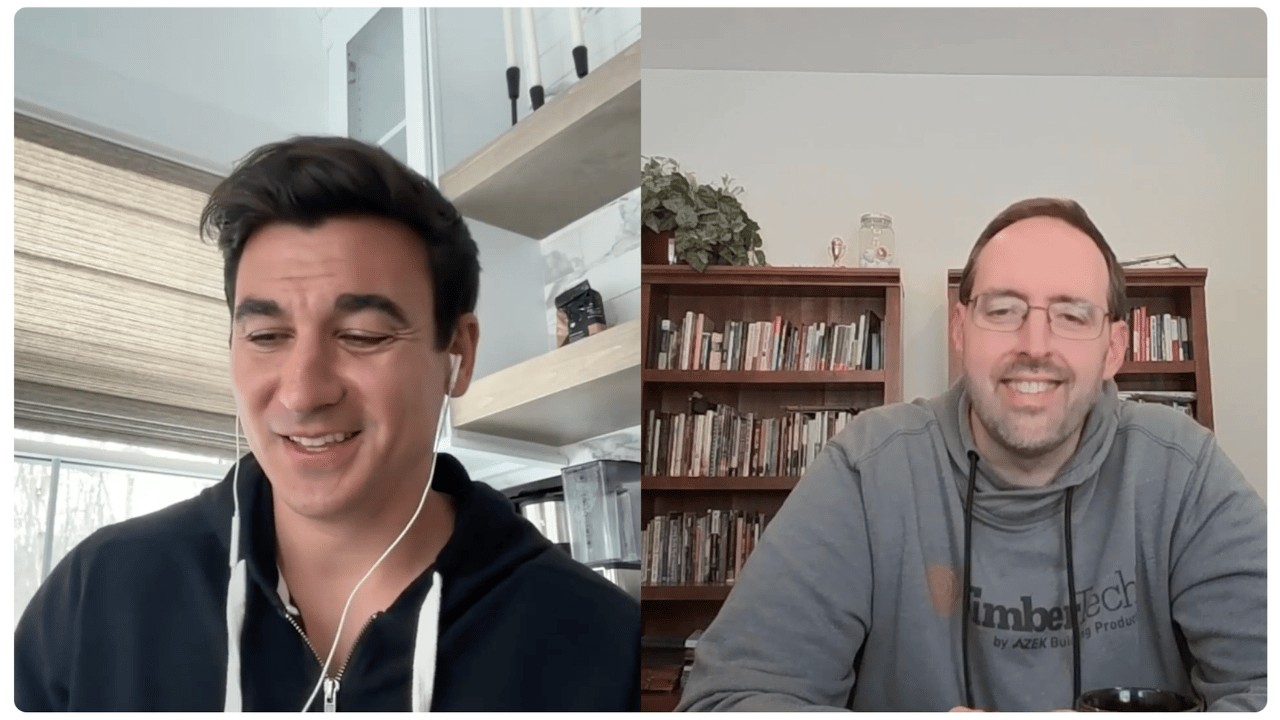
Adam brought on a business development manager, implemented new systems, and is already lining up enough work to double last year’s revenue, all while keeping his day job.
👉 Want to buy a business without needing to quit your W2? Book a call with our team here.
How businesses are valued
Small businesses typically sell for 2-4x their SDE - Seller’s Discretionary Earnings.
That’s the business’s net income plus the owner’s salary, personal benefits, and any non-recurring expenses that ran through the business.
Where in that range a business lands depends primarily on one thing: how much it depends on the current owner.
If the owner is working full-time in the business and it would struggle without them, expect a multiple closer to 2x.
If there’s a general manager running daily operations and the owner is largely hands-off, the multiple moves toward 4x because the business is genuinely transferable without disruption.
On a business doing $400K in SDE, that’s the difference between a $800K valuation and a $1.6M valuation.
How deals get financed
The most common structure uses an SBA 7(a) loan to cover up to 90% of the purchase price, with the remaining 10% coming from the buyer.
If a seller agrees to finance a portion of the deal with a note that sits on full standby for the life of the SBA loan, that note can count as part of the buyer’s required equity injection.
In practice, this means some buyers close deals with as little as 5% of their own cash at the table, with the seller financing the other 5%.
Investor partnerships are another option, where a silent partner covers the down payment in exchange for an equity stake, leaving you with majority ownership and significantly less personal capital at risk.
(Inside Acquisition Ace, members learn how to structure deals like this and access an investor network when they need one. To see how our community could help you close your first acquisition, book a call with our team here.)
Due diligence in plain terms
Once your offer is accepted, you’ll spend 30-60 days verifying that what the seller told you is accurate.
This involves reviewing three years of financials, understanding the customer base, checking for legal issues or pending disputes, and assessing the condition of any major equipment.
The main things to watch for: incomplete or inconsistent financial records, any single customer representing more than 10% of revenue, unresolved legal matters, and contracts that don't automatically transfer to a new owner.
If you find something during diligence that changes the picture, that’s grounds to renegotiate the price before you commit.
The first 90 days after closing
The transition period sets the tone for everything that follows.
Introduce yourself to employees in person early, communicate proactively with key customers before they hear about the change from someone else, and have the seller personally introduce you to major vendors and partners wherever possible.
Get the relationships right in the first 90 days, and the operational side of ownership becomes significantly more manageable.
This whole process is something thousands of people with no prior business ownership experience have navigated successfully.
And if you’d like guidance from people who’ve already done it, the Acquisition Ace community is a great place to find it.
👉 Book a call with my team here to see if it’s right for you.
 | Onward, Ben Kelly PS: Check out our latest YouTube video. We reveal how one entrepreneur built a multi-million dollar pool company from scratch with no industry experience. |


